


Arthritis is a degenerative process of the articular cartilage.As this age-related disease progresses, the cartilage loses its elasticity.The disease progresses if the synthesis of synovial cells is disturbed.
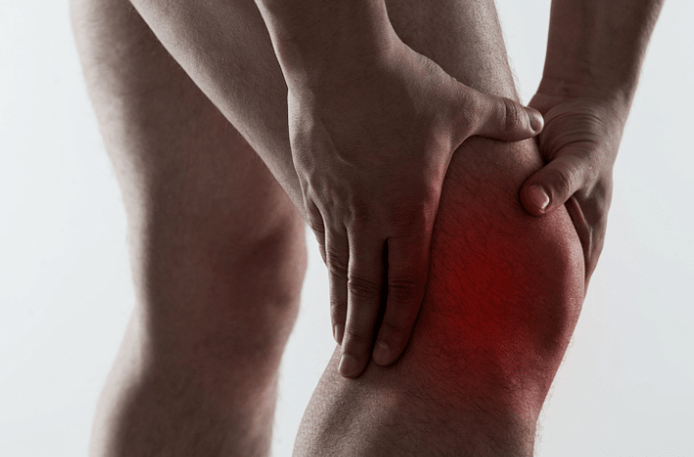
varieties
Depending on the cause, primary and secondary arthropathy are distinguished.
Primary arthropathy.The initial stage of a chronic disease, during which gradual damage to the cartilage tissue of the joint occurs.Diagnosed at age 45.Primary arthropathy progresses and treatment cannot be neglected, as the risk of disability is high.In the initial stages, arthropathy is difficult to detect, because the disease appears in a hidden form.If the patient has tingling in the joints, pain when bending and straightening the limb, swelling (edema), contact an orthopedic doctor immediately.In the initial stages, it is possible to prevent the destruction of cartilage tissue and prevent the further development of arthropathy.
Secondary arthropathy.It develops against the background of changes in the metabolic process, for example, when blood circulation and lymph outflow are disturbed.Hormonal imbalances often cause hip joints in women.
Reasons
The disease develops at the age of 45, rarely in younger people.Its development is affected by:
- physical damage to bones and ligaments.They cause damage to large tissues, which can lead to arthropathy of the knee joint.
- congenital abnormalities in the development of joint tissues, which increase the likelihood of dislocation due to incorrect position.
- impaired metabolism.Causes cartilage deformation.
- autoimmune diseases.The body reacts to its own cells as if they were a foreign object.
- inflammatory diseases of the joints.For example, arthritis;
- tuberculosis of bone tissue;
- diseases of the endocrine system.For example, diabetes.
- degenerative diseases.For example, Perthes disease.
- diseases that cause weakening of ligaments and increased mobility of synovial tissues.
- frequent bleeding in the joint area;
- excess body weight.It creates additional stress on the joint and causes premature wear.
- intense physical activity.For example, improper training or carrying heavy objects.
- heredity;
- hormonal imbalances;
- lack of vitamins;
- improper diet;
- operations on joint tissues.
Arthritis symptoms
Signs of progression of arthropathy:
- traffic restrictions
- aching pain
- enlargement of synovial tissue
- increased temperature of the affected area
- swelling of the joint tissue, the presence of compression and swelling
- severe pain at night
- tingling when moving a joint, feeling of bone rubbing
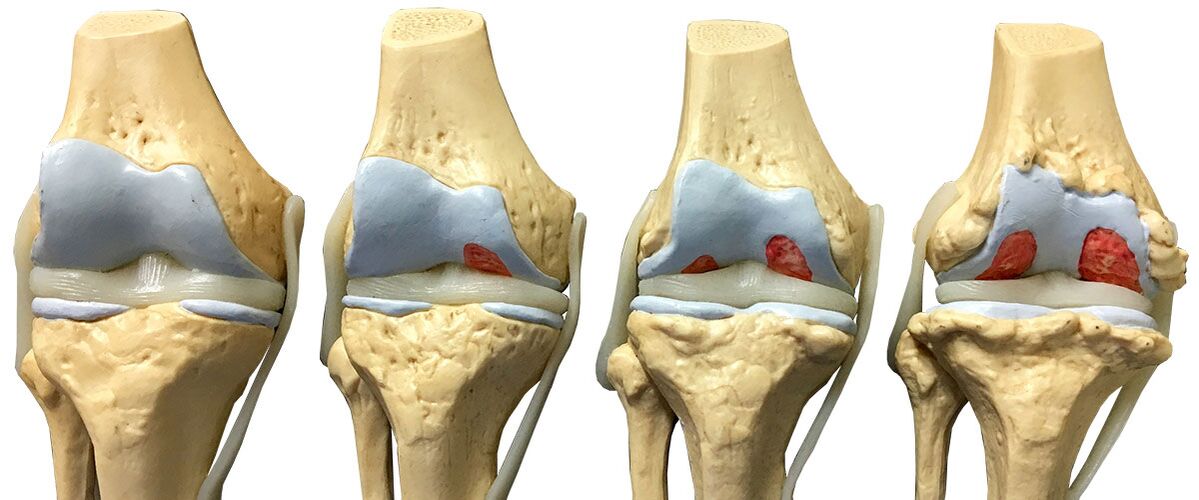
Stages of development of arthropathy
- First.There are no severe symptoms, only mild pain during physical activity.Muscle tissue weakens.
- Second.The joint tissue begins to wear away and osteophytes progress.Intense but tolerable pain develops.When the joint moves, a cracking sound is heard.The function of the muscle tissue is weakened.
- Third.The tissue of the joint becomes thinner and several foci of destruction are diagnosed.Doctors note a significant deformation of the joint.Ligaments are reduced in length and joint mobility suffers.The contraction is progressing.The possibility of subluxations increases.
Complications
If arthropathy is not treated in time, the joint will completely collapse.This will affect the biomechanics of the spine and herniations may occur.Arthritis progresses to other joint tissues.Then the following complications arise:
- deformation of the synovial tissue
- complete immobility, disability
Disability
The first disability group is allocated to patients with reduced motor activity.The second - with a partial loss of engine operation.The third group has small limitations in motor activity.That is, they can move independently, but slowly and with frequent rest stops.
Which doctor should I contact?
At the first symptoms of arthropathy, contact an arthrologist.He specializes in the treatment of joints.If your condition is serious, make an appointment with an orthopedist.
Diagnostics
First of all, the simplest method is used - x-ray of the joint.Then they do an ultrasound.And the most reliable and informative diagnostic methods are magnetic resonance imaging (MRI) and computed tomography (CT).
An important diagnostic point is the collection of the history and the clinical examination of the patient.The symptoms will help the doctor to correctly determine the diagnosis, even if it is not possible to do an MRI.
Computed tomography (CT) helps to study the structure of joint tissues in detail and to detect changes, cartilaginous growths and osteophytes.The process takes 2-3 minutes.The result is provided in digital or photo format.
Magnetic resonance imaging (MRI).Thanks to radio waves and magnetic radiation, it allows you to see a clear image of the tissue.The procedure takes 10-20 minutes.After 30 minutes, the patient can receive the test report.
Ultrasound of the joint is prescribed for rheumatic diseases and injuries.The procedure is based on the use of ultrasonic waves.The scanner registers acoustic vibrations and the result is displayed on the screen.
Treatment of arthritis
Once the diagnosis is made, further testing and a treatment plan is drawn up.Additional examination is needed to address not the effect, but the cause.It consists in taking tests to determine the etiology of the disease.For example, with rheumatoid arthritis or gout there will be an increased amount of uric acid.
The course of treatment depends on the stage of development of the disease.First, pain and inflammation are relieved.Physiotherapy procedures and massages are then used.Medicines help relieve pain, but do not prevent the destruction of joint tissue.
The doctor can also prescribe treatment in a sanatorium-resort and recommend a set of physical exercises.In the final stages of the progression of the disease, they resort to operations.If there are no complications, this method can restore the motor activity of the synovial tissue.
Pharmaceutical treatment
For arthropathy, the following groups of drugs are prescribed.
- Non-steroidal anti-inflammatory drugs.It is required for the urgent relief of acute pain and the reduction of inflammation.
- Carboprotectors.They improve anabolism in cartilage tissue, relieve inflammation, prevent the process of cartilage destruction and eliminate swelling.
- Vasodilators.It is used to relieve spasm of small vessels and improve blood flow.
- Painkillers.
- Anticonvulsants.It is used when muscle spasms occur.
- Analgesics.It helps to get rid of pain.
- Ointments.Designed to reduce pain, improve blood circulation and relieve the patient's condition.
Joint injections
Therapeutic drug blockades are an effective method of treating pain due to arthropathy.Their advantages:
- decrease in muscle tension
- fast pain relief effect
- relief from inflammation
- long-term therapeutic effect
- restoration of joint mobility.
For drug blockades, antiseptics and antibiotics are used and hyaluronic acid injections are given to protect the cartilage tissue.They eliminate inflammation and accelerate cartilage recovery.It is recommended to administer 3-5 injections with an interval of 5-7 days.
Physiotherapy for arthritic joints
- Shock wave therapy.This method uses high frequency current.Shock wave therapy for joint arthropathy restores endothelial cell permeability, eliminates joint inflammation and swelling, improves blood flow to the affected area, and stimulates reparative processes.
- Kinesio taping.Elastic bands called tapes are applied to the skin.They reduce stress on muscles, joints, ligaments and tendons, reducing pain.Also, kinesio taping for joint joints facilitates blood circulation and lymph flow.
- Manual therapy for arthropathy is effective as part of complex therapy.It improves the mobility of diseased joints and prevents atrophic processes.Manual therapy relieves pain, increases joint mobility and eliminates muscle spasms.It is prescribed for the initial and middle stages of arthropathy.
- Laser therapy for arthropathy relieves pain, has an anti-inflammatory effect, relieves inflammation and reduces the risk of surgery in the late stages of the disease.Laser arthritis treatment restores muscle function, relieves muscle tension, lowers blood cholesterol levels, increases the ability of tissues to regenerate, reduces blood viscosity, improves joint mobility and normalizes metabolism.
- Massage.Helps relieve acute pain and fatigue after walking.Massage for arthrosis should not be focused only on the damaged area: this will increase inflammation.The massage therapist performs stroking and rotating movements in the spine area, massages the lumbar and sacral area, and then moves to the surface of the knee joint, where he performs stroking and light pinching.
- Hirudotherapy.Leeches inject beneficial enzymes into the blood - the patient's blood is diluted, the blood supply to the affected area improves, the elasticity of the joints increases and the pain subsides.Treatment with leeches for joints is contraindicated for people with anemia, heart failure and hemophilia, as well as during pregnancy.
Other treatments
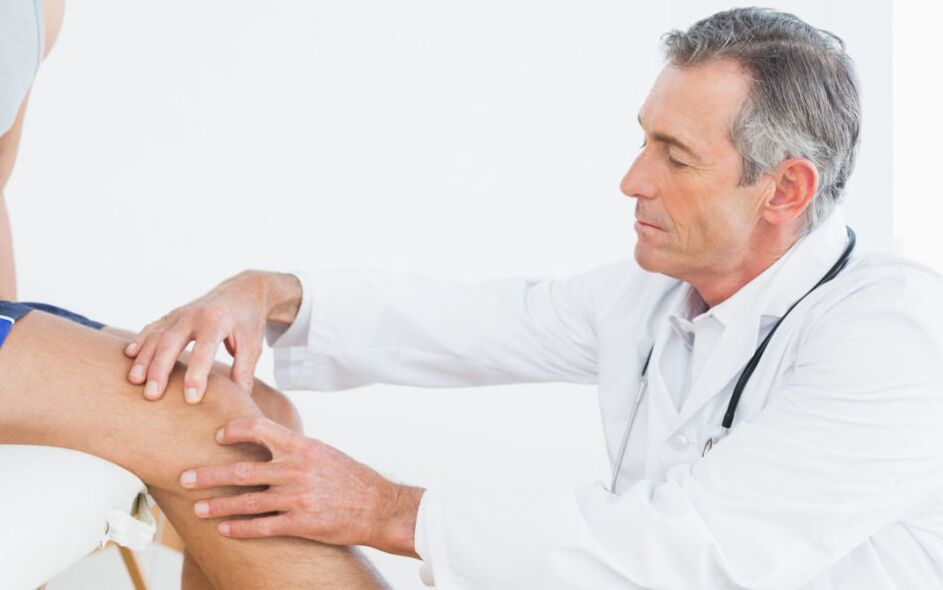
In addition to drugs and physical therapy, other treatment methods are often used for arthropathy.
- Exercise therapy.You can do therapeutic exercises with little or no pain.Physical exercises for arthropathy include static and dynamic loads, and there should be more of the former.They must be performed slowly and smoothly — sharp movements are contraindicated.
- Medical bile.The external use of bile relieves inflammation in the tissues of the musculoskeletal system and has a catalytic and analgesic effect.Compresses with medicated bile can be applied if there is no external damage to the skin.
- Vitamins.Take vitamins of groups A, B, C, D and E, zinc and calcium.They help restore cartilage and increase muscle tone.
- Orthopedic knee pads.It is required to correct the joint.They gradually relieve pain, reduce pressure on the joints, improve blood circulation in the damaged area and stabilize the function of the musculoskeletal system.
- Corrections.These are bandages - orthopedic products designed to relieve pressure on the knee joint.They stop the development of pathological processes.They are used to limit unwanted joint movement.
- Acupuncture.It relieves pain, fights inflammation, improves blood circulation and restores cartilage tissue.The body is exposed to special needles by inserting them in points from 9 to 18. For gonoarthrosis, the doctor works with the lower vertebrae and the popliteal fossa.
- Ozone therapy for arthritis.It helps to quickly restore knee function.Ozone molecules relieve inflammation, relieve pain and improve blood circulation.
- PRP.This is a method that uses the patient's blood.Platelets with plasma are isolated from it and injected into local problem areas.Platelets have regenerative properties and are growth factors.In everyday life it goes something like this: if you cut yourself, the wound will heal.The same effect is achieved in the knee joint by injecting these drugs.
- Mesenchymal stem cells.This is a combined method of regeneration that began to be used very recently.The stem cells are removed from the fat and mixed with the plasma, as the cells themselves are somewhat dry and need to be diluted.After that, the injection is injected into the knee joint.One injection is enough, which gives effect for 4-5 years.
Prevention of arthritis
To reduce the risk of complications and prevent the destruction of joint tissue, it is recommended:
- quit alcohol, smoking and drugs
- don't overcool your joints
- reduce the amount of smokers and semi-finished products
- eat more vegetables, fruits, grains and cartilage (jelly)
- avoid excess body weight
- avoid excessive stress
- perform preventive exercises
- do physical exercise every day
- drink enough water
- sleep at least 8 hours a day
- take a series of vitamins once every 6 months
- undergo a preventive examination once a year.
Frequently Asked Questions
What tests are done for arthritis?
It is necessary to pass examinations of the joint minimum.These are uric acid, rheumatoid factor, asthma and complete blood count.If infectious symptoms are suspected, a puncture is made from the knee or hip joint.
Is it possible to heat joints with joints?
If you have arthritis, it is best not to heat your joints before being examined by a doctor.Heat can be harmful and increase pain.
Is it possible to play sports with knuckles?
For arthropathy, skiing and cycling are useful.The pedals must rotate smoothly so as not to injure the cartilage tissue.Aerobics and running are prohibited.Also, you should not lift heavy objects.
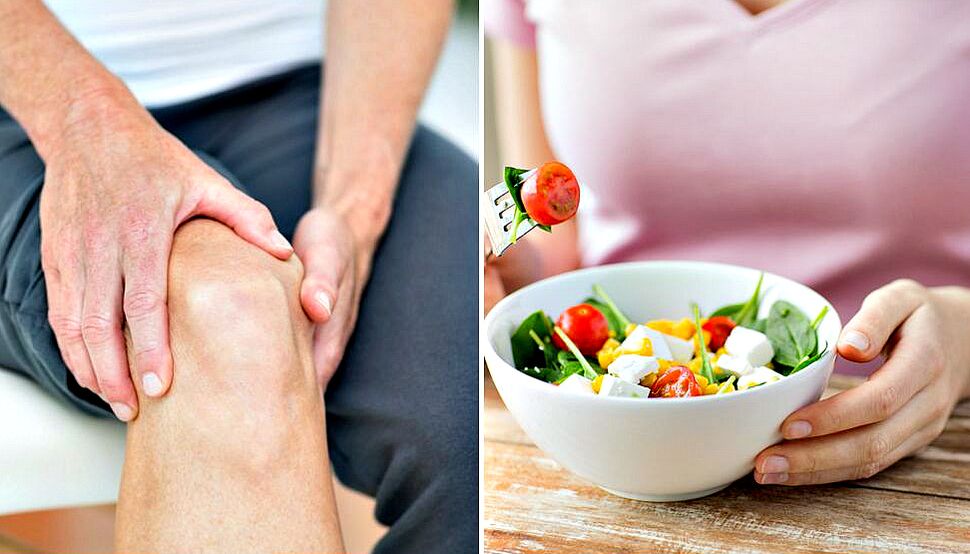
Nutrition for joints
Proper nutrition for the joints of the joints helps in recovery.Doctors recommend that you include foods rich in vitamins and trace elements in your diet.Fruit, rye bread and bran, cereals, fish, vegetables, lean meat are recommended.It is better to avoid smoked foods, fast food products, sweets, pastries, fatty meats and processed foods.